Spotting the red flag early
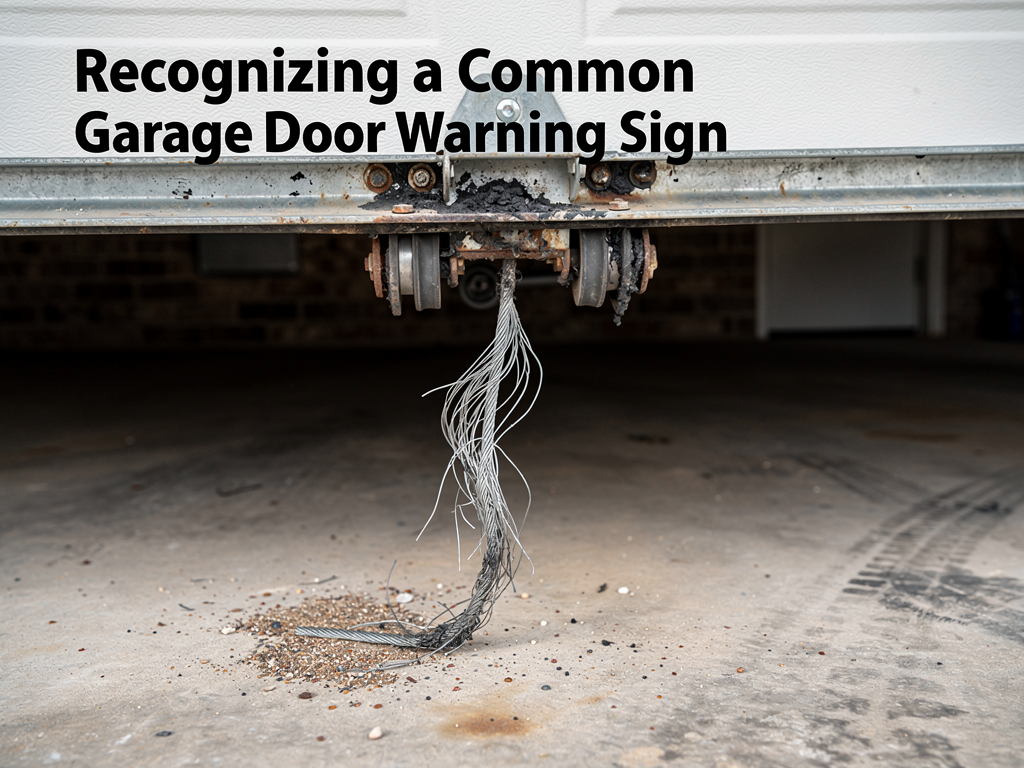
Garage doors are heavy and operate with components that wear at different rates. A warning sign often shows up as unusual movement, unusual noises, or inconsistent stopping points. If you notice a door that hesitates or shifts unevenly as it moves, it’s a signal to pause use and inspect further. These signs don’t fix themselves and can lead to bigger problems if ignored.
Across the United States, homeowners report a few recurring indicators: slow response to the opener, the door starting to close and reversing, or a door that seems to drift off its track or bind as it travels up or down. When you see any of these, plan a diagnostic rather than a quick fix. Timely attention saves money and reduces risk of injury.
What to check before calling a pro
First, look for simple, safe fixes you can perform without specialized tools. Check the opener’s power supply and reset the opener if it’s behaved strangely. Inspect the safety sensors to make sure nothing is blocking the beam and that the sensors are aligned. Observe the door while it operates manually if you can do so safely, noting where it binds or drifts.
Next, listen for new noises. A grinding, squealing, or popping sound often points to worn bearings, rollers, hinges, or a track issue. If you hear a loud bang when the door closes, do not try to force it open or closed. Those noises can signal a broken spring or a roller coming off the track, which requires professional service.
When to call Ranch Garage Door Repair
If the door refuses to stay open, won’t reverse on closing, or you hear unusual noises that don’t improve after a quick inspection, it’s time to bring in a technician. Across the country, a qualified pro will measure spring tension, assess track alignment, and test the opener’s safety features. They’ll provide a transparent quote and explain what parts need attention.
Ranch Garage Door Repair maintains a nationwide network with local crews wherever you are. Our technicians arrive prepared with common replacement parts and a plan to keep you informed every step of the way. You’ll know what’s being done, why it’s needed, and what it’ll cost before any work begins.
Quick tips you can use right away
- Keep the hinges and rollers oiled as recommended by the manufacturer, not weekly but per the door’s usage pattern.
- Test the auto-reverse function monthly by placing an object under the door’s path and ensuring it reverses smoothly.
- Replace worn cables or springs only through a pro. These are high-tension parts and can be dangerous to handle without proper equipment.